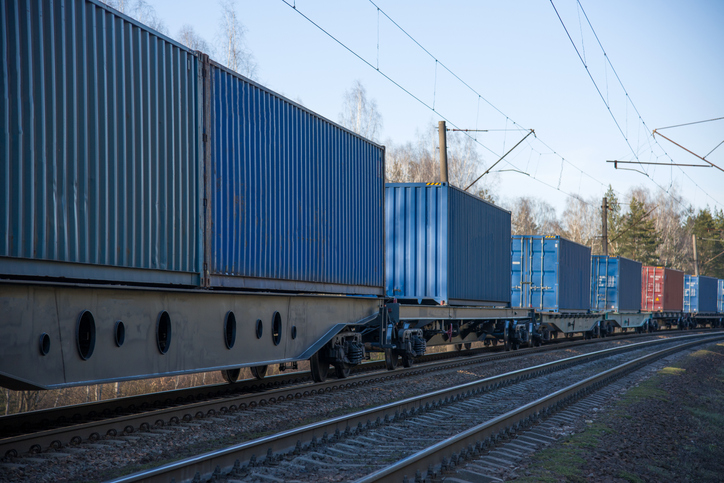


Drayage plays a key role in the shipping process by moving goods over short distances — usually within a port, between a port and a rail yard, or from a nearby terminal to a warehouse. Even though these trips are short, they connect different parts of the supply chain and keep cargo flowing smoothly.
Most drayage trips take just a few hours and happen within the same city or region. Yet, their impact is much larger. According to the United Nations Conference on Trade and Development (UNCTAD), over 80% of global goods are moved by sea, and drayage services are essential in connecting ships to inland destinations.
This guide explains how drayage works, the main types of services, common challenges, costs, and what’s next for this key part of logistics.
What is Drayage?
Drayage specifically refers to the movement of cargo containers over short distances, often as part of an intermodal shipping process. It is a critical component of logistics, acting as a bridge between different modes of transportation, such as truck and rail. In many cases, drayage moves are essential for transporting freight from a shipping container on a container ship to a rail terminal or directly to a warehouse.
Understanding what drayage means is key for businesses that rely on the timely delivery of goods, as it ensures the smooth transition of cargo within the supply chain.
How Drayage Works
Drayage involves moving shipping containers from ports to nearby warehouses, distribution centers, or rail yards—usually within the same city or region. These short trips, often finished in one to two hours, serve as the “first or last mile” connection that keeps freight moving efficiently.
After a loaded container is delivered, the truck often returns the empty one to the port for reuse or another shipment. Sometimes, the empty container is handed directly to another exporter in a process called a street turn, which saves time, reduces congestion, and improves driver productivity.
As a vital part of intermodal shipping, drayage connects different transport modes—ships, trucks, and rail—ensuring smooth transitions and timely deliveries. Without it, delays and bottlenecks would quickly disrupt the supply chain. In short, drayage is the link that keeps goods moving seamlessly from port to market, making it essential for efficient logistics operations.
The Impact of International Shipping and Manufacturing on Drayage Demand
As global trade and manufacturing volumes continue to climb, the demand for drayage services has surged in tandem. With more shipping containers making their way to U.S. ports from international destinations and manufacturing output on the rise, the logistics landscape has grown increasingly complex. Every new container that arrives represents another shipment needing swift, efficient transfer—often requiring a tight turnaround from port or rail yard to warehouse or distribution center.
This heightened activity places a premium on drayage capacity. Ports in cities such as Los Angeles, Savannah, and Newark have experienced heavier congestion, as limited drayage truck availability and a persistent shortage of drivers make it challenging to keep pace. As a result, logistics planners are constantly seeking ways to optimize drayage operations—balancing driver schedules, managing fluctuating demand, and working to minimize bottlenecks.
Ultimately, the ongoing growth in international shipping and manufacturing doesn’t just keep drayage in demand—it makes it a centerpiece of supply chain strategy. Businesses that understand these dynamics are better positioned to navigate seasonal spikes, respond to logistics challenges, and ensure smooth cargo movement across the nation’s busy ports and freight corridors.
The Role of a Dray Broker: How Do They Differ?
When it comes to coordinating short-haul container moves, dray brokers play a very specialized role within the broader world of freight brokers. Unlike general freight brokers who may arrange everything from long-haul shipments to cross-country trucking, dray brokers focus specifically on managing quick, high-volume transfers between ports, rail yards, and local warehouses.
Dray brokers streamline the complex process of moving containers over short distances by leveraging strong partnerships with carriers equipped for this kind of rapid turnaround. Their expertise lies not only in knowing which carriers can handle the tight scheduling and geographic precision required for drayage but also in optimizing operations to minimize delays and maximize throughput. In essence, while traditional freight brokers cast a wider net and may handle a range of shipment types, dray brokers are the specialists who ensure your cargo gets efficiently from ship to shore—or rail to warehouse—without missing a beat.
Types of Drayage Services
Drayage services vary based on logistics needs and cargo movement. The most common type is container drayage, which moves shipping containers from ports to nearby warehouses or rail yards. Containers make it easy to transport large items—like steel, cars, and machinery—safely and efficiently across different transport modes.
Another key type is inter-carrier drayage, where freight transfers between carriers, such as from a truck to a rail service. Each type supports a specific step in the logistics chain to keep freight flowing smoothly.
There are also specialized drayage options:
- Expedited drayage for time-sensitive shipments.
- Pier drayage for direct port-to-destination transport.
- Door-to-door drayage for full-service delivery from origin to endpoint.
Choosing the right drayage type helps businesses improve efficiency, control costs, and ensure reliable cargo movement.
Beyond the standard forms of container and inter-carrier drayage, other service types play crucial roles in managing efficient short-distance freight movement across different transport environments.
Intra-Carrier Drayage
Intra-carrier drayage refers to the movement of freight between two facilities owned or operated by the same carrier. Unlike inter-carrier drayage, which involves transferring cargo between different companies, intra-carrier drayage keeps operations within one logistics network.
This service is especially common when a shipping company needs to reposition containers, relocate inventory between terminals, or move goods between distribution centers to balance capacity. Because all movement happens under a single carrier’s control, intra-carrier drayage can reduce coordination delays, simplify documentation, and ensure more consistent quality control.
For businesses with complex regional operations, intra-carrier drayage supports flexible fleet management and helps optimize equipment use without relying on third-party carriers.
Another form of drayage designed to improve flexibility and reduce congestion involves temporarily relocating containers for efficient loading, unloading, or staging.
Shuttle Drayage
Shuttle drayage involves transporting containers from a congested port or terminal to a nearby temporary storage location. This short-distance move helps relieve terminal crowding when cargo cannot be immediately picked up or delivered.
Typically, shuttle drayage comes into play when warehouse capacity is limited, ships arrive early, or weather delays create scheduling conflicts. By shuttling containers to an off-site yard or nearby staging facility, logistics teams can free up valuable port space and maintain fluid cargo flow.
This approach minimizes demurrage and detention fees while keeping drayage trucks productive, rather than waiting in line at congested terminals. For shippers operating in high-volume ports, shuttle drayage can be a cost-effective way to manage peak demand periods and improve overall supply chain fluidity.
Key Information Needed to Coordinate Drayage Service
To ensure drayage services run smoothly, there are several important details that must be provided upfront. These specifics allow carriers to plan the transportation process efficiently and help avoid any unnecessary delays or complications.
Some of the main pieces of information required include:
- Container Size and Weight: Knowing both the dimensions and total weight of the shipment is essential for selecting the appropriate drayage truck and complying with transportation regulations.
- Cargo Details: It’s important to specify whether the contents are standard freight, hazardous materials, or require temperature control (such as refrigerated goods). This affects the type of handling and special permits that may be necessary.
- Pickup and Delivery Locations: Clear addresses for both the origin and destination ensure the quickest possible transfer and route planning.
- Arrival and Departure Schedules: Providing accurate dates and times for when the shipment will be available for pickup and when it needs to be delivered helps keep the entire supply chain on track.
- Special Handling Needs: If the cargo is oversized, fragile, or involves any unique requirements, these should be communicated in advance for proper equipment allocation.
Having this information prepared ahead of time makes it easier for logistics providers to coordinate drayage services efficiently and keep goods moving seamlessly through each stage of transport.
What Is a “Street Turn” in Drayage?
A “street turn” in drayage refers to the process where an empty shipping container, freshly unloaded from an import delivery, is handed directly to another exporter rather than being returned to the port or marine terminal. Instead of traveling back empty, the container is reused almost immediately for a new export shipment. This practice not only helps maximize container usage and reduce unnecessary trips, but also alleviates congestion at busy port facilities. For drayage carriers and shippers alike, a street turn can improve operational efficiency, save on fuel costs, and keep cargo moving smoothly within the supply chain.
Challenges in Drayage
Short-haul transport faces several challenges that can impact efficiency and cost. Port congestion is one of the biggest issues, often delaying container loading and unloading and creating supply chain bottlenecks. Regulatory differences across regions further complicate operations, requiring companies to stay compliant with multiple local and international rules.
Other factors—like fluctuating fuel prices, a shortage of skilled drivers, and aging equipment—can also increase costs and slow delivery. Understanding and addressing these challenges is key for logistics managers aiming to keep operations smooth, reduce delays, and ensure goods move efficiently from one point to another.
Impact of Vessel Delays on Drayage and the Supply Chain
Vessel delays are a major challenge in short-haul logistics and can affect the entire supply chain. When ships face port congestion, bad weather, or scheduling issues, containers remain stuck on vessels instead of being unloaded. This causes trucks and equipment to sit idle, creating bottlenecks not only at major ports like Long Beach and Los Angeles but also across rail terminals and distribution centers connected to those ports.
The domino effect of such delays means that subsequent deliveries are pushed back, schedules are disrupted, and warehouse space can become overutilized or underused. Businesses may then face increased storage fees and must sometimes scramble to reorganize their logistics plans on short notice. For shippers and logistics managers, anticipating and adapting to these delays is essential for maintaining supply chain reliability and controlling additional costs, especially in volatile markets where both demand and transportation rates can fluctuate rapidly.
While drayage is often associated with container ports and marine terminals, its applications extend far beyond maritime shipping.
Real-World Examples of Drayage Beyond Ports
Short-haul transport plays an important role in logistics far beyond coastal ports. In inland regions, these short-distance freight movements connect rail ramps, distribution centers, manufacturing plants, and retail hubs, ensuring a steady flow of goods between key points in the supply chain.
For example:
- Rail-to-warehouse transfers: Containers arriving by train in cities like Chicago or Dallas are often transported short distances to regional fulfillment centers.
- Air freight drayage: At airports, drayage trucks move cargo between terminals, cargo facilities, and bonded warehouses to streamline customs and onward delivery.
- Industrial relocations: Manufacturers use local drayage to reposition equipment or components between nearby production sites.
These examples highlight how drayage services support the broader logistics ecosystem—not only as a link between ships and trucks but as a vital connector between any modes of transportation that require short-distance transfers.
Drayage Fees and Costs
Short-distance freight costs can vary depending on several factors, such as distance, urgency, and location. Pricing is typically based on time spent moving cargo and mileage covered—with expedited shipments often carrying higher rates due to tighter delivery windows. Understanding these cost drivers helps businesses manage their logistics budgets more effectively and plan smarter transportation strategies.
Common Fee Structures and Extra Charges
Drayage costs depend on several factors beyond standard transport fees. Expenses like fuel surcharges, waiting time, chassis pre-pull, and other special service fees can quickly add up. Logistics teams need to estimate these charges carefully, as they can greatly impact the total shipping budget.
A major cost driver is container return timelines. Large shipping companies typically allow:
- 3–5 business days at a port terminal, and
- 2–3 business days at a rail ramp.
If containers aren’t returned on time, demurrage or detention fees apply—charges that can escalate fast and affect profitability.
Understanding all these variables helps businesses plan better and avoid surprise costs. Consistent billing and clear invoicing systems also prevent confusion, keeping logistics operations predictable and efficient.
Reducing Container Usage Costs
Effectively managing container usage is another important way for shippers to curb unnecessary shipping expenses. Large ocean carriers such as Maersk and Hapag-Lloyd own the cargo containers used for freight, and they charge customers based on how long those containers are in use. While containers are an efficient choice for moving bulk items like steel, automobiles, and building materials over long distances, customers need to be mindful of turnaround times to avoid extra charges.
Most shipping companies provide a limited free window, typically around 3 to 5 business days at a port and 2 to 3 days at a rail ramp, for container pick-up and return. Exceeding these time frames can result in costly detention or demurrage fees, as carriers are eager to keep their containers circulating for the next shipment.
To keep costs under control, businesses should:
- Coordinate closely with their logistics providers to streamline pick-up and drop-off.
- Monitor dwell times carefully, ensuring containers are returned promptly.
- Plan for possible disruptions, such as port congestion or equipment shortages, to avoid unexpected delays.
By proactively managing these timelines and communicating with drayage partners, shippers can minimize charges related to container usage and improve overall cost efficiency. To address these challenges, Visigistics has developed a solution that ensures consistent and efficient invoicing for drayage services. This approach allows customers to have confidence in their billing, reduces the likelihood of unexpected costs, and speeds up the invoicing process, leading to more timely payments and smoother operations.
How Much Advance Notice Is Needed to Set Up a Drayage Shipment?
Planning ahead is crucial when scheduling short-distance freight moves. Ideally, businesses should give four to five days’ notice to ensure smooth coordination and better rates. While it’s possible to book with shorter lead time—sometimes only after cargo arrives at the port or rail terminal—doing so can lead to higher fees and delays caused by limited capacity.
To stay efficient and control costs, communicate early with your logistics partner or freight broker. Advance planning secures carrier availability, reduces storage time, and keeps the overall supply chain running smoothly. This approach is especially valuable during peak seasons or in busy port areas, where demand for local transport can exceed supply.
The Future of Drayage
Short-haul freight transport is entering a period of rapid change driven by technology and sustainability. Digital tools like real-time tracking, automation, and integrated logistics platforms are making operations faster, smarter, and more transparent. These innovations allow carriers, ports, and shippers to coordinate better, cut delays, and improve reliability across short-distance transport.
The market for short-haul freight services is also growing steadily. According to Technavio’s 2024 report, the global market is projected to expand by nearly $3 billion between 2021 and 2025. This growth comes from increased manufacturing in industries like electronics, food, and pharmaceuticals—all of which rely heavily on efficient local transport connections.
At the same time, sustainability is reshaping the sector. Electric trucks and eco-friendly short-haul freight solutions are gaining traction as companies work to cut emissions and meet environmental goals. Businesses that embrace digital transformation and green practices will be best positioned to thrive in the next era of logistics efficiency. How to Improve Logistics Performance and Cut Costs
Streamline your Drayage Management Today
As you navigate the complexities of drayage logistics, it’s essential to streamline your operations and eliminate common frustrations like surprise charges and slow invoicing. Visigistics offers a proven solution to improve your drayage management with consistent, transparent, and timely invoicing. By partnering with Visigistics, you can gain confidence in your billing processes and ensure smoother, more efficient drayage operations. Reach out to Visigistics today to take the first step toward optimizing your supply chain and enhancing your logistics efficiency.
Frequently Asked Questions
Q: What does drayage mean in logistics?
It refers to short-distance freight transport, usually within or near a port, rail yard, or warehouse. This process ensures smooth cargo transitions between transport modes in intermodal shipping.
Q: What are the different types of drayage services?
Common types include pier drayage (port to rail), inter-carrier transfers (between carriers), expedited delivery for urgent loads, and door-to-door service covering the entire shipment journey.
Q: How does intermodal drayage work?
It connects multiple transport modes—like rail and truck—by moving containers between hubs. This link keeps cargo flowing efficiently through the supply chain.
Q: What is the history of drayage?
It dates back to horse-drawn carts used to move goods short distances in early trade. Today, it’s evolved into a vital part of modern logistics, connecting trucks, ships, and rail for global freight movement.
Q: How does it differ from intermodal shipping?
Drayage focuses on short-haul transfers between transport hubs, while intermodal shipping moves freight long distances using multiple transport modes. The two work together to ensure efficient, continuous delivery.
Q: What does container drayage mean?
It’s the local transport of shipping containers—typically from a port or terminal to another facility. This step keeps goods moving smoothly between ships, trucks, and trains.
Q: What do specialists in this field do?
They manage short-distance container moves, coordinate with carriers, and ensure regulatory compliance. Specialists also track container return deadlines (usually 3–5 days at ports and 2–3 days at rail ramps) to avoid fees and maintain cost efficiency.
Q: How can I find a reliable carrier?
Look for logistics providers that focus on short-haul freight and intermodal transfers. Directories, industry associations like the Intermodal Association of North America, or freight brokers can help identify reputable partners.
Q: Why is drayage important in container shipping?
It ensures containers are moved efficiently between ports, rail yards, and warehouses—maintaining steady cargo flow and timely deliveries across the supply chain.
Q: What is a chassis split fee?
This fee applies when a chassis and its container must be sourced from separate locations, adding an extra step to the transport process.
Q: What is a triaxle chassis?
A triaxle chassis, equipped with three axles, supports heavier containers for safe and stable transport. It’s often used for oversized or overweight cargo.